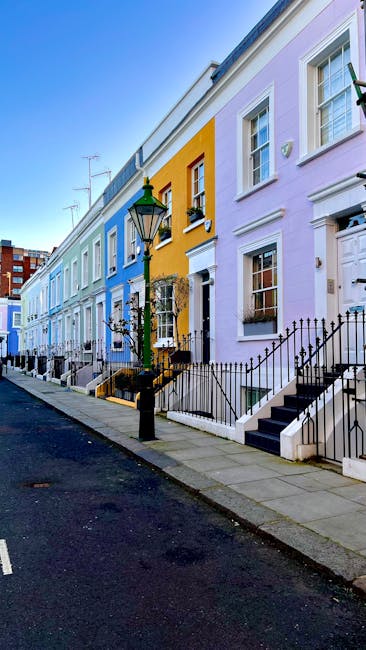
Notting Hill Gate: Move-in Cleaning Checklist (W2)
Moving into a new place near Notting Hill Gate should feel exciting, not like a weekend spent wiping skirting boards and hunting dust in awkward corners. A proper move-in cleaning checklist for W2 helps you start fresh, protect your belongings, and settle in with less stress. Whether you have just taken the keys to a flat off the Gate, a converted terrace nearby, or a larger family home in the wider W2 area, the same principle applies: clean thoroughly before the boxes multiply.
This guide walks you through what to clean, why it matters, and how to do it in a sensible order. You will also find practical tips, common mistakes to avoid, a comparison of cleaning approaches, and a detailed checklist you can actually use on moving day. If you are comparing local help, it can also be useful to browse the broader services overview and the specialist pages for domestic cleaning in Notting Hill and house cleaning in Notting Hill.
Let's face it: the first clean is easiest when the property is empty. That is the moment to deal with everything from kitchen grease to bathroom limescale, before furniture gets in the way.
Table of Contents
- Why Notting Hill Gate: Move-in Cleaning Checklist (W2) Matters
- How Notting Hill Gate: Move-in Cleaning Checklist (W2) Works
- Key Benefits and Practical Advantages
- Who This Is For and When It Makes Sense
- Step-by-Step Guidance
- Expert Tips for Better Results
- Common Mistakes to Avoid
- Tools, Resources and Recommendations
- Law, Compliance, Standards, or Best Practice
- Options, Methods, or Comparison Table
- Case Study or Real-World Example
- Practical Checklist
- Conclusion
- Frequently Asked Questions
Why Notting Hill Gate: Move-in Cleaning Checklist (W2) Matters
A move-in clean is not just about appearances. It is about making a property feel genuinely yours from day one. In a busy part of West London like W2, homes often pass through multiple occupants, and even a property that looks tidy on a viewing can hide dust, residue, or wear in places you notice only after moving in.
Notting Hill Gate properties can include period conversions, maisonettes, mansion blocks, modern apartments, and mixed-use buildings. Each type comes with different cleaning priorities. Older homes may need extra attention around sash windows, high-touch woodwork, or decorative mouldings. Flats can hide dust in vents, extractor fans, and behind integrated appliances. A structured checklist keeps those details from slipping through the cracks.
There is also a practical timing reason. Once furniture, bedding, kitchenware, and electronics are in place, deep cleaning becomes slower and more frustrating. Cleaning before unpacking means you can work room by room without constantly shifting boxes or covering surfaces twice.
For anyone planning a wider move into the area, it may help to read local context too. Guides such as should you move to Notting Hill and the guide to home buying in Notting Hill can give you a better sense of the local property landscape and the kind of homes you are likely to be cleaning.
How Notting Hill Gate: Move-in Cleaning Checklist (W2) Works
The idea is simple: start at the top, work down, and clean from least dirty to most dirty so you are not dragging grime across fresh surfaces. A sensible move-in clean follows a sequence rather than random room hopping.
Here is the basic logic:
- Inspect the property first. Look for dust, marks, odours, leftovers from previous occupancy, and any areas needing extra care.
- Clear out loose items. Remove packaging, leftover tape, old labels, and anything the previous occupier or agent has left behind.
- Dust high to low. Start with shelves, light fittings, tops of doors, and window ledges, then move downward to skirting boards and floors.
- Address wet areas carefully. Bathrooms and kitchens need descaling, degreasing, and sanitising of touch points.
- Finish with floors. Vacuum first, then mop hard flooring so dust does not settle back onto cleaned surfaces.
The checklist works best when you divide the property into zones: entrance, living areas, bedrooms, kitchen, bathroom(s), storage, and any special surfaces such as carpets or upholstery. If you need a more tailored service, the specialist pages for carpet cleaning in Notting Hill and upholstery cleaning in Notting Hill are useful references.
A good move-in clean is not about making a home smell artificially lemony for five minutes. It is about removing what should not be there.
Key Benefits and Practical Advantages
There are a few clear gains from following a proper move-in cleaning routine in W2.
- Immediate comfort: You can unpack into a clean, calm environment rather than cleaning around clutter.
- Better hygiene: Shared touch points, bathrooms, and kitchen surfaces get the attention they need before daily use begins.
- Protection for new belongings: Dust and residue can settle into textiles, appliances, and storage units if they are not cleaned first.
- Faster settling in: A clean baseline makes it easier to keep the home tidy afterwards.
- Fewer surprises: You are more likely to spot defects, stains, or maintenance issues before they become your problem to live with.
There is also a psychological benefit that people often underestimate. A clean home feels more organised, even if the boxes are still in the hallway. That alone can make the first week in a new place feel less chaotic.
If you are moving into a flat after a landlord or seller handover, it can be sensible to combine cleaning with a quick condition check. That is especially true if you may need to raise any concerns early through the right channels. For service standards and practical expectations, pages such as insurance and safety and terms and conditions can also help set expectations when booking professional support.
Who This Is For and When It Makes Sense
This checklist is useful for more people than you might think.
- New homeowners: Especially if you want to clean before moving boxes in and before arranging furniture.
- Tenants moving into a rental: A fresh start matters, and it is easier to document cleanliness before you settle.
- Landlords preparing a property: A move-in-ready home tends to show better and gives incoming occupants a stronger first impression.
- Buyers completing in W2: Once a property has changed hands, a thorough clean is often the final step before you begin normal life there.
- Busy professionals: If your moving schedule is tight, a systematic clean saves time and decision fatigue.
It makes the most sense when you have access to an empty property, ideally after keys are handed over and before the main delivery or removal day. If you are still in the planning stage, local reading such as the essential guide to real estate in Notting Hill and an insider's guide to Notting Hill can help you understand the neighbourhood as well as the home itself.
Step-by-Step Guidance
Use this sequence for a tidy, efficient move-in clean. It is practical, not theatrical.
1. Prepare the space
Open windows if weather and security allow. Remove loose debris, old labels, packaging, and any items left behind. Check that utilities are active if you need lighting, hot water, or vacuuming. If electricity or water is not available yet, plan around that before you start.
2. Dust every accessible surface
Begin with high surfaces: tops of cabinets, shelves, curtain rails, picture rails, and door frames. Then move to mid-level surfaces such as window sills, switches, handles, and built-in units. Finally, clear skirting boards and floor edges. A microfiber cloth is usually better than a dry duster because it traps rather than spreads dust.
3. Clean the kitchen thoroughly
The kitchen is usually the room that benefits most from a methodical approach. Wipe inside and outside cupboards, clean the worktops, degrease splashbacks, sanitise handles, and check behind and under appliances where possible. If the oven, hob, or extractor looks heavily used, a standard wipe-down may not be enough.
Focus on these kitchen points:
- sink and taps
- countertops and splashback tiles
- cupboard shelves and door fronts
- fridge seals and internal drawers
- microwave, oven, and hob surfaces
- bin area and kickboards
4. Deep clean the bathroom
Bathrooms often need more attention than people expect. Descale taps, shower screens, and tiles. Clean around toilet hinges, base areas, and behind the bowl. Wipe mirrors, cabinets, and any shelving. If you notice mould-like marks, treat them carefully and avoid over-wetting surfaces. Ventilation matters too, so clean extractor covers and make sure airflow is working properly.
5. Freshen bedrooms and living areas
In bedrooms, clean wardrobes, drawers, and window ledges before adding clothes or linen. In living rooms, check media units, shelves, plug sockets, light switches, and any high-touch surfaces. If there are carpets or rugs, vacuum slowly and in overlapping passes so you actually lift the dust rather than just moving it around.
If your property includes soft furnishings, a quick visual tidy is rarely enough. You may want to factor in upholstery cleaning or even a fresh carpet treatment, especially if you can detect pet odours, traffic marks, or general mustiness.
6. Deal with flooring last
Vacuum carpets after all dusting is complete. For hard floors, vacuum or sweep first, then mop with a suitable cleaner. Avoid soaking wooden floors, laminate, or engineered boards. A damp mop is usually the safer choice unless the manufacturer's guidance says otherwise.
7. Finish with the details
Check light switches, banisters, radiators, handles, and the tops of frames. These are easy to miss and very easy to notice once you are living there. The last step should be a final walk-through in good light, because that is when lingering marks and dust become obvious.
Expert Tips for Better Results
A few small adjustments can make the whole clean more efficient and more effective.
- Work top-down and left-to-right. It sounds almost too neat, but it prevents missed spots.
- Use two cloths for problem areas. One for cleaning solution, one for drying or finishing. This reduces streaks.
- Test products first. Especially on delicate worktops, painted wood, natural stone, or older fixtures.
- Do not mix cleaners casually. Some combinations create fumes or reduce cleaning performance.
- Keep a waste bag nearby. Packaging, dust, tape, and wipes add up fast during a move.
- Clean before furniture arrives. It is easier on your back, your schedule, and your patience.
In our experience, the best move-in cleans are never rushed. They are methodical. If you only have a short window, prioritise kitchen, bathroom, floors, and the main bedroom first. That order gives you the biggest daily comfort gain.
If you want a broader sense of local living and property context, the move-to-Notting Hill guide and the home-buying guide are useful companions to this checklist.
Common Mistakes to Avoid
Most move-in cleaning problems come from rushing, not from lack of effort.
- Cleaning after unpacking: This creates twice the work and makes it easier to miss corners.
- Skipping hidden areas: Behind radiators, under sinks, inside cabinets, and above doors matter more than people think.
- Using too much water: Excess moisture can damage wood, laminate, and some fixtures.
- Forgetting ventilation: A room that looks clean can still feel stale if vents and extractor fans are ignored.
- Overlooking carpets and upholstery: Dust and odours often settle into soft surfaces first.
- Not checking the final result in daylight: Artificial lighting can hide streaks, marks, and dust.
One of the most common mistakes is assuming a property that appears "clean enough" on handover is truly ready to live in. Often it is not. A quick visual tidy is not the same thing as a genuine move-in clean.
Tools, Resources and Recommendations
You do not need a van full of specialist equipment, but the right basics make a big difference.
Useful tools
- microfibre cloths
- vacuum cleaner with crevice attachment
- mop and bucket
- non-abrasive sponges
- glass cleaner
- all-purpose cleaner suitable for your surfaces
- descaler for taps and shower glass
- rubber gloves
- bin bags and paper towels
When to bring in professional help
Professional cleaning can be worth it if the property is large, the schedule is tight, or the home needs more than a standard surface clean. This is especially common with post-sale handovers, rental move-ins, and properties with carpets or soft furnishings that have picked up odours or heavy dust. If that sounds like your situation, review end of tenancy cleaning in Notting Hill as well as carpet cleaning for targeted support.
What to ask before booking
- What is included in the service?
- Are cleaning products supplied?
- Can carpets or upholstery be added?
- How is access arranged for keys or entry?
- What happens if the property needs extra time?
If you are comparing providers, it also helps to review practical pages such as pricing and quotes, payment and security, and about us before you book.
Law, Compliance, Standards, or Best Practice
For a move-in clean, the relevant point is less about legal complexity and more about reasonable standards, safety, and documented expectations. In the UK, cleaning products should be used according to their labels and safety guidance. It is also sensible to follow manufacturer advice for flooring, appliances, stone, and wood finishes, because using the wrong product can cause damage very quickly.
If you are hiring a professional cleaner, a trustworthy provider should be able to explain how they handle safety, insurance, access, complaints, and data privacy. That is why support pages such as health and safety policy, complaints procedure, and privacy policy matter more than they may first appear.
For properties in shared buildings or managed developments, always respect building rules about access, noise, waste disposal, and common areas. If a concierge or managing agent has specific instructions, follow them. It keeps the process smooth and avoids awkward emails later.
In practical terms, best practice means using suitable products, working safely, documenting the state of the property where needed, and not making unrealistic assumptions about what a "standard clean" includes.
Options, Methods, or Comparison Table
There is more than one way to approach a move-in clean. The right choice depends on time, property size, and how much detail the place needs.
| Approach | Best for | Strengths | Limitations |
|---|---|---|---|
| DIY basic clean | Small flats, low dust, generous time | Low cost, flexible, easy to start immediately | Easy to miss hidden dirt, can be tiring on move day |
| DIY deep clean | Properties that are empty and moderately dusty | More thorough, tailored to your preferences | Time-consuming, requires suitable tools and stamina |
| Professional move-in clean | Busy schedules, larger homes, detailed handovers | Efficient, consistent, less pressure on moving day | Higher upfront cost than doing it yourself |
| Targeted specialist cleaning | Carpets, upholstery, ovens, bathrooms, problem rooms | Focused results where they matter most | May need more than one service if the property is neglected |
For many W2 moves, the most sensible route is a hybrid one: handle the general clean yourself if time allows, then bring in specialist help for carpets or difficult areas. That approach often gives the best balance of control and convenience.
Case Study or Real-World Example
Consider a typical scenario: a couple moves into a two-bedroom flat near Notting Hill Gate after completion. The property looks tidy at first glance, but once they start opening cupboards, they find dust on top shelves, fingerprints on glass doors, light residue around the kitchen sink, and a faint stale smell in the main bedroom carpet.
They decide to clean before unpacking. First, they remove all leftover packaging and vacuum the floors. Then they work room by room, starting with the kitchen and bathroom so the most used spaces are ready first. They wipe inside cupboards, descale the taps, clean switch plates, and vacuum the carpeted bedroom thoroughly. Because the flat is empty, they can reach edges and corners they would never have touched once beds and boxes were in place.
The result is not just a cleaner flat. It is a cleaner first week. They unpack faster, sleep better, and do not have to move furniture later just to clean behind it. That is the quiet value of a good move-in checklist: it saves time twice, once immediately and once in the weeks that follow.
If you are still choosing a property or assessing the neighbourhood, useful companion reads include local opinion on living in Notting Hill and the Notting Hill home-buying process.
Practical Checklist
Use this as your moving-day reference. Tick items off as you go, and do not be afraid to pause and reset if needed.
Before cleaning begins
- Confirm access, keys, and utilities
- Open windows where appropriate
- Remove all boxes, labels, and loose waste
- Gather cloths, sprays, mop, vacuum, and bin bags
- Inspect for visible issues or areas needing extra care
Kitchen
- Wipe cupboards inside and out
- Clean sink, taps, and draining area
- Degrease hob, splashback, and extractor exterior
- Clean appliance fronts and handles
- Vacuum and mop the floor
Bathroom
- Descale taps and shower fittings
- Clean toilet base, seat, and hinges
- Wipe mirrors and glass screens
- Clean shelves, cabinets, and ledges
- Check ventilation and extractor covers
Bedrooms and living spaces
- Dust shelves, skirting boards, and window sills
- Wipe doors, handles, and switches
- Clean wardrobes, drawers, and storage units
- Vacuum carpets and rugs slowly
- Mop hard flooring with a suitable cleaner
Final walk-through
- Check corners, edges, and behind doors
- Look for smears under strong light
- Confirm bins are emptied and waste removed
- Make a note of any defects or maintenance issues
- Air the property briefly before fully unpacking
Conclusion
A move-in clean in Notting Hill Gate is one of those tasks that pays you back immediately. It gives you a fresh start, helps you spot hidden issues early, and makes the first days in your new home feel calmer and more organised. In a busy W2 move, that is no small thing.
The most effective approach is simple: clean before unpacking, work from top to bottom, and focus on the rooms that affect daily life most. If the property needs more than a light refresh, do not hesitate to bring in professional help for carpets, upholstery, or a fuller deep clean. The goal is not perfection for its own sake. It is a home that feels ready from the moment you walk in.
Get a free quote today and see how much you can save.
Frequently Asked Questions
What is included in a move-in cleaning checklist for Notting Hill Gate?
It usually includes kitchen surfaces, bathrooms, floors, storage spaces, dusting, fixtures, and any carpet or upholstery attention needed before you unpack.
Should I clean before or after moving furniture in?
Before, if possible. An empty property is much easier to clean properly, and you will avoid moving items twice.
How long does a move-in clean usually take?
It depends on the size and condition of the property. A small flat can take a few hours; a larger or more detailed clean can take considerably longer.
Do I need professional help for a W2 move-in clean?
Not always. But professional help makes sense if you are short on time, have a larger home, or want carpets and hard-to-reach areas treated properly.
What is the dirtiest room in most move-in properties?
The kitchen is often the most work, especially around appliances, cupboards, sinks, and extractor areas. Bathrooms are usually the next biggest job.
Can a move-in clean help with odours?
Yes, if the source is dust, stale air, or soft furnishings. If the smell is strong or persistent, carpet and upholstery cleaning may be needed too.
What should I check first when I enter the property?
Look for visible dust, stains, leftover items, appliance condition, bathroom hygiene, and any maintenance issues that should be noted early.
Is a move-in clean different from end of tenancy cleaning?
Yes. End of tenancy cleaning is usually more detailed and focused on returning a property to a landlord-ready standard, while move-in cleaning is about making the home ready for you.
How do I avoid damaging surfaces while cleaning?
Use the right product for the surface, test first where needed, avoid excess water, and do not use abrasive pads on delicate finishes.
What if the property is already partly furnished?
Clean around and under what you can safely move, and focus on the surfaces you will use most. Soft furnishings and carpets may need extra attention.
Should I book carpet cleaning before moving in?
If the carpets look tired, dusty, or slightly musty, yes. It is usually easier to clean them before large furniture arrives.
Where can I learn more about local cleaning support and standards?
Start with the site's services overview, then review the relevant support and trust pages such as health and safety and about us.