Bulky waste and hazardous rubbish: Notting Hill clearance help
If you are staring at an old mattress, a broken wardrobe, a stack of renovation offcuts, and maybe one awkward item that you know should not go in the regular bin, you are not alone. Bulky waste and hazardous rubbish can turn a simple clear-out into a proper headache, especially in a busy area like Notting Hill where space is tight and access is often fiddly. This guide explains Bulky waste and hazardous rubbish: Notting Hill clearance help in plain English, so you can understand what belongs where, what needs extra care, and how to organise a clearance without making a mess of it.
Truth be told, most problems start with uncertainty. People are usually fine with general rubbish, then the pile grows into something odd: a TV, paint tins, a torn sofa, a leaking bottle of cleaner, a freezer that has finally given up. What now? This article walks through the practical side of bulky item removal and hazardous waste handling, including safety, compliance, timing, and a few common mistakes to avoid. It is written for real-life situations, not just tidy textbook ones.
For readers who want to compare service details later, you may also find the company's pricing and quotes information, recycling and sustainability approach, and health and safety policy useful alongside this guide.
Table of Contents
- Why bulky waste and hazardous rubbish clearance matters
- How the clearance process works
- Key benefits and practical advantages
- Who this is for and when it makes sense
- Step-by-step guidance
- Expert tips for better results
- Common mistakes to avoid
- Tools, resources and recommendations
- Law, compliance, standards and best practice
- Options and comparison table
- Case study or real-world example
- Practical checklist
- Conclusion
- Frequently asked questions
Why Bulky waste and hazardous rubbish: Notting Hill clearance help Matters
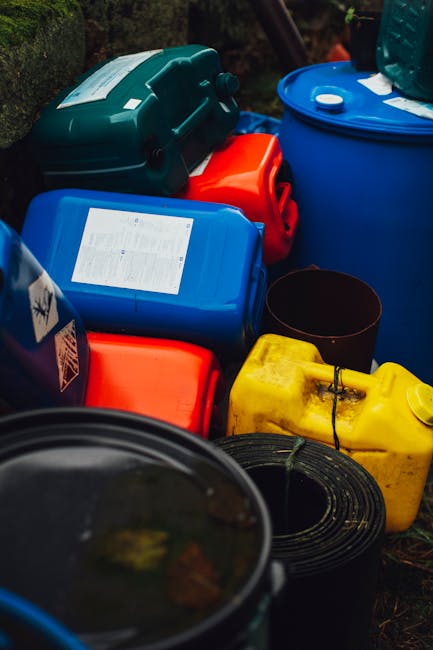
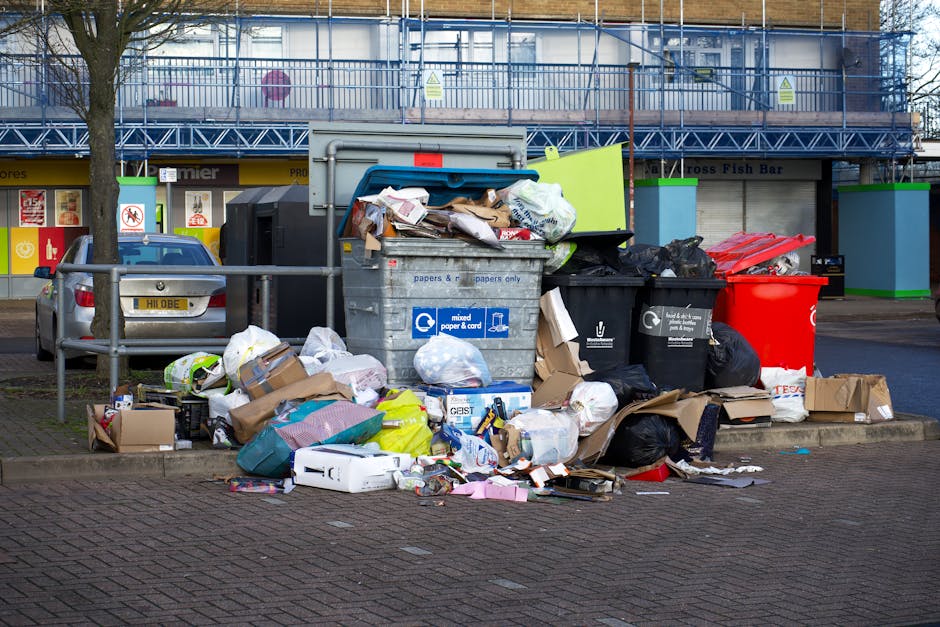
Bulky waste is not just "big rubbish". It usually means items that are too heavy, awkward, or numerous to deal with easily through normal household disposal. Think mattresses, wardrobes, shelving, broken appliances, office chairs, garden furniture, and dismantled fittings. Hazardous rubbish is different. It includes materials that can pose a risk to people, property, or the environment if handled badly. That might include paint, solvents, batteries, fluorescent tubes, chemicals, sharps, and some electrical items.
In a place like Notting Hill, the practical challenge is often access. Narrow stairwells, communal entrances, basement flats, parking restrictions, and tight mews streets all make lifting and loading more complicated. You may have enough room to store the waste, but not enough room to move it safely. And let's face it, no one wants a damaged hallway or a last-minute panic because a sofa will not fit through the front door.
Getting this right matters for a few clear reasons:
- Safety: heavy items can cause injury, and hazardous materials can create fumes, spills, or cuts.
- Cleanliness: a proper clearance keeps dust, residues, and debris from spreading through the property.
- Compliance: some waste must be separated and handled carefully, not mixed with ordinary rubbish.
- Efficiency: a planned removal is usually quicker and less stressful than repeated trips or guesswork.
- Reputation: for landlords, letting agents, and businesses, a tidy clearance protects the condition of the property and how it is presented.
If the waste includes items that could leak, break, or contaminate other materials, the stakes go up quickly. A single damaged container of solvent or old cleaning chemical can cause more trouble than a whole pile of cardboard. Small issue, big mess. That is usually how it goes.
How Bulky waste and hazardous rubbish: Notting Hill clearance help Works
A sensible clearance process starts with identifying what you actually have. That sounds obvious, but in practice people often discover mixed waste only after they start moving things around. A booking or enquiry normally begins with a description of the items, access details, and any special handling needs. If the job involves hazardous materials, it is worth being precise. "A few paint tins" is useful; "unknown liquids in unlabelled containers" is more important.
The next step is usually a short assessment of the volume, type of waste, and access conditions. Are the items on the ground floor or up several flights? Is there parking nearby? Can the clearance team safely remove large furniture without dismantling it first? Are there items that need segregating before anything is carried out? These are the kinds of details that prevent delays.
On the day, a proper team will typically:
- arrive with the right protective equipment and lifting tools;
- check the items against the agreed scope;
- separate bulky and hazardous materials where needed;
- remove items carefully to avoid damage to walls, floors, and common areas;
- load waste securely for transport;
- dispose of different waste streams through the appropriate channels.
That final step is the one many people never see, but it matters. Bulky waste, recyclable material, and hazardous rubbish should not be treated as one big pile. A mattress is not the same as a tin of paint. A broken toaster is not the same as a box of used cleaning products. Good clearance help respects those differences.
It is also normal for a provider to ask questions before confirming a job. That is not fussiness; it is part of doing things safely. If you want a general overview of how bookings, payment, and service terms are handled, the company's terms and conditions and payment and security page are sensible places to look.
Key Benefits and Practical Advantages
The biggest benefit is simple: less stress. Once a clearance is properly planned, the job feels manageable instead of chaotic. But there are several other advantages worth spelling out.
1. Safer handling
Heavy lifting, sharp edges, unstable stacks, and chemical residues all create risk. Trained handling reduces the chance of injury and avoids the classic "I'll just move it myself" moment that ends with a twisted back and a wobbling sofa halfway down the stairs.
2. Better sorting and disposal
When bulky items and hazardous waste are separated properly, recyclable materials are easier to recover and dangerous materials are less likely to contaminate everything else. That is better for the environment, and generally better for everyone involved.
3. Less disruption
In a shared building or busy street, speed matters. A well-organised clearance keeps corridors clear, limits noise, and reduces the time waste sits in view. That can be a real relief if you are managing tenants, staging a flat for sale, or clearing after refurbishment.
4. Better property presentation
Removing old furniture, broken white goods, and leftover renovation rubbish can instantly change how a property feels. Even a dusty room with one battered wardrobe can look like a problem. Once the clutter goes, the space opens up. You notice the light again. Oddly satisfying, actually.
5. More predictable outcomes
With a clear scope, you are less likely to face delays, extra handling, or preventable surprises. A good clearance is not glamorous, but it is tidy, controlled, and finished properly.
Expert summary: The safest and most efficient clearances are the ones that separate bulky items from hazardous waste early, check access before the job starts, and treat disposal as a sorting exercise rather than a single load-and-go task.
Who This Is For and When It Makes Sense
This kind of help is useful for a wide mix of people in Notting Hill. The circumstances may differ, but the pattern is familiar: something big, awkward, or risky needs to go, and doing it casually would be a bad idea.
- Homeowners: clearing garages, lofts, spare rooms, or post-renovation debris.
- Tenants: moving out and dealing with unwanted furniture or leftover items.
- Landlords and managing agents: preparing a flat between occupancies, especially where former tenants left bulky items behind.
- Businesses: removing worn office furniture, packaging waste, or old equipment.
- Builders and decorators: clearing offcuts, old fittings, and non-hazardous renovation debris alongside limited hazardous materials that need special care.
- Families and older residents: handling heavy or difficult items without risking injury.
It makes sense to bring in help when the waste is too much to manage safely in one go, when items are too large for normal disposal, or when you are not sure whether something is classed as hazardous. That last one comes up more often than people expect. If a container is unlabelled, leaking, or has been sitting in a shed for years, treat it cautiously rather than guessing.
A quick reality check: if you are still debating whether you can carry the item yourself, ask whether you should. Those are not always the same thing.
Step-by-Step Guidance
If you want the process to go smoothly, a little preparation pays off. Not a huge amount. Just enough to avoid surprises and wasted time.
Step 1: Identify what needs removing
Walk through the property and split items into categories:
- bulky household items;
- electricals and appliances;
- general mixed rubbish;
- potentially hazardous materials;
- items that may need dismantling before removal.
If something is broken but still contains electrical parts, fluids, or sharp components, note that. A cracked screen or a leaking appliance should not be treated casually.
Step 2: Separate obvious hazards
Keep chemicals, paint, solvents, batteries, pressurised containers, and unknown liquids apart from ordinary waste. Do not tip different products into one container just to "make it easier". That tends to make things worse, not better.
Step 3: Check access
Look at door widths, staircases, lifts, parking, and any shared hallways. In Notting Hill, the challenge is often not the item itself but how it moves through the building. A bulky wardrobe can be removed safely if you know in advance where the corners are tight.
Step 4: Book a suitable clearance plan
Choose a service that can handle both the physical lifting and the waste sorting. If there are hazardous items, mention them clearly so the right precautions can be taken. This is also the moment to ask about timing, access windows, and any limits on what can be collected.
Step 5: Prepare the space
Move smaller items out of the route if possible, protect floors where needed, and make sure the team can reach the waste without navigating a maze of boxes. A bit of prep can save a lot of awkward shuffling later.
Step 6: Confirm sorting and disposal
Before the job is complete, make sure the waste has been separated properly. Reusable or recyclable items should not be thrown in with hazardous rubbish unless there is a clear reason for doing so. Ask questions if something looks unclear. That is perfectly normal.
Step 7: Review the cleared area
Check for loose debris, residues, or items that were missed behind furniture, under beds, or in cupboards. It is usually the last small bits that make a room feel finished.
Expert Tips for Better Results
Here are the little things that make a big difference. Some are obvious once you hear them, but easy to forget in the moment.
- Photograph the waste before booking: it helps clarify the amount, type, and condition of the items.
- Label suspicious containers: if you do not know what a bottle holds, do not mix it with other products.
- Keep liquids upright and contained: even a small spill can spread quickly in a hallway or vehicle.
- Dismantle only where safe: flat-pack furniture often saves space when taken apart, but avoid forcing damaged pieces.
- Protect communal areas: in apartment buildings, a few floor covers or careful routing can prevent damage claims.
- Plan for heavy lifts first: get the large items out before the smaller clutter starts blocking movement.
- Ask about recycling: not everything needs to become mixed waste, and a good clearance should reflect that.
One more practical tip: if you have both bulky waste and hazardous rubbish, list the hazardous items separately when you describe the job. It sounds minor, but it helps shape the right response from the start. Saves everyone a headache.
For a broader sense of company values and operating standards, the pages on about us and insurance and safety can help reassure you about who is coming into the property and how the work is approached.
Common Mistakes to Avoid
Most clearance problems are preventable. The tricky part is that they often feel small right up until they become expensive, messy, or unsafe.
Mixing hazardous waste with general rubbish
This is the big one. Paint, solvents, batteries, and other risky materials should not be tossed into ordinary rubbish bags. Mixed loads can create safety issues and can also complicate disposal.
Underestimating weight and size
What looks like "just a cabinet" can be an awkward, heavy object once you try to turn it in a corridor. The same applies to white goods and older furniture that has absorbed moisture over time.
Leaving access details until the day of the job
If parking is restricted or the lift is out of use, that needs to be known early. Last-minute surprises waste time and can make a straightforward job much harder.
Forgetting about hidden waste
People often remember the obvious pile in the kitchen, then discover more in the loft, under the stairs, or behind garden storage. A full walk-through avoids unfinished jobs.
Assuming all "rubbish removal" is the same
It is not. Some waste is recyclable, some is bulky, some needs careful handling, and some should be treated as hazardous. Lump them all together and you risk poor disposal decisions.
Trying to save time by rushing prep
There is a point where being quick turns into being careless. Rushing around a bottle of chemicals or dragging a sofa over a polished floor tends not to end well.
Tools, Resources and Recommendations
You do not need specialist kit for every clear-out, but a few simple tools make the process safer and smoother.
| Tool or item | Why it helps | Best use |
|---|---|---|
| Gloves | Protects hands from cuts, dirt, and rough surfaces | Handling boxes, broken furniture, and dusty items |
| Sturdy sacks or boxes | Keeps smaller waste contained | Mixed non-hazardous items and loose debris |
| Labels or marker pens | Makes sorting easier | Marking hazardous or breakable items |
| Floor protection | Reduces damage to carpets and hard floors | Hallways, stairs, and narrow access routes |
| Basic torch | Helps inspect dark corners and loft spaces | Finding hidden waste or leakage |
| Protective eyewear | Useful for dusty, flaky, or splintered materials | Problem items and dismantling work |
As for recommendations, the best one is simple: do not guess with hazardous items. If you are unsure whether something is safe to move, label it and keep it separate. That single habit prevents a surprising number of problems.
Readers who want a clearer view of service standards and what information is handled can also review the company's privacy policy and contact details when planning the next step.
Law, Compliance, Standards, and Best Practice
Waste handling in the UK is not something to treat casually, especially where hazardous materials are involved. You do not need to become a legal expert to make good decisions, but you do need to respect the difference between ordinary household waste and items that could create risk.
Good practice usually means:
- separating hazardous items from general waste;
- storing risky materials safely before collection;
- avoiding contamination of recyclable or reusable materials;
- using suitable personal protective equipment where needed;
- making sure waste is transported and disposed of responsibly;
- keeping clear records or notes if the waste came from a rental property, workplace, or building project.
Where the waste includes chemicals, paints, batteries, or electricals, the correct disposal route depends on the item type and condition. If something is damaged, leaking, or unlabelled, it should be treated with extra caution. That is just common sense, really, though common sense does have a habit of disappearing when people are in a hurry.
For customers, the key is choosing a provider that takes safety seriously and does not blur the line between simple rubbish removal and controlled handling of hazardous material. A clear health and safety policy and transparent recycling and sustainability approach are useful signals. So is straightforward information about how concerns are handled if something does not go as expected.
Options, Methods, or Comparison Table
There is more than one way to manage bulky waste and hazardous rubbish. The right choice depends on the volume, the risk level, and how much time or lifting you want to take on yourself.
| Method | Best for | Pros | Limitations |
|---|---|---|---|
| Self-clearance | Small amounts of non-hazardous bulky waste | Can be flexible and lower-cost if you already have transport | Heavy lifting, access issues, and disposal sorting all fall on you |
| Mixed DIY and professional support | Clear-outs where some items can be handled personally but hazardous pieces need help | Can reduce workload while keeping risky items separate | Still requires careful planning and safe segregation |
| Professional clearance support | Large, awkward, or hazardous mixed loads | Safer, quicker, and easier to coordinate in busy areas | Usually the most structured option, so quotes depend on access and item type |
For many Notting Hill households, the hybrid route works well: move the light, safe things yourself, then bring in help for the heavy or risky items. That said, if a job involves broken glass, chemicals, or a tight staircase, it may be wiser to leave the lot to someone used to handling it. No medal for struggle, after all.
Case Study or Real-World Example
Imagine a top-floor flat off a narrow Notting Hill street after a refurbishment. The resident has a dismantled wardrobe, a sagging mattress, old kitchen packaging, a few tins of leftover paint, and a box of mixed cleaning products in the utility cupboard. Nothing dramatic, but enough to be awkward.
The first problem is access. The stairwell is narrow, and there is no easy place to leave items while sorting through them. The second problem is waste type. The wardrobe and mattress are bulky. The paint tins and cleaning products are not something to throw in with the general pile. The third problem is timing. There is only a small window before the next decorators arrive.
A sensible approach would be to separate the paint and chemicals from the outset, confirm which larger items need dismantling, protect the hallway, and then remove the bulky items in a sequence that keeps the route clear. The result is not just a tidy flat. It is a job completed without damage to the property or unnecessary handling risk.
That is the real value of organised clearance help. Not drama. Not fancy talk. Just a cleaner outcome with fewer surprises.
Practical Checklist
Use this checklist before arranging a clearance:
- Identify every bulky item that needs removing.
- Separate hazardous rubbish from general waste.
- Check whether any item contains liquids, batteries, or sharp parts.
- Measure stairways, doors, and tight corners if access looks difficult.
- Confirm parking or loading access in advance.
- Decide whether any furniture can be dismantled safely.
- Keep children and pets away from the clearance area.
- Protect floors, walls, and shared entrances where needed.
- Ask how recyclable material will be handled.
- Review service terms, safety information, and pricing details before booking.
A small bit of prep here can save a big amount of hassle later. Simple enough, but easy to skip when you are busy.
Conclusion
Bulky waste and hazardous rubbish need different kinds of attention, and that distinction matters even more in a place like Notting Hill where access, timing, and shared spaces can make a clearance feel far more complicated than it first appears. The good news is that once you understand what you have, separate the risky items, and plan the route through the property, the whole job becomes far more manageable.
The best clearances are calm, careful, and properly sorted. They protect the property, reduce risk, and leave you with a space that feels usable again instead of weighed down by clutter. If you are dealing with a mixed load and want a practical, no-nonsense approach, a little expert help can make all the difference.
Get a free quote today and see how much you can save.
And if you are still looking at that awkward pile in the corner, take a breath. It can be handled. One sensible step at a time, and the room will feel like itself again before long.
Frequently Asked Questions
What counts as bulky waste in a Notting Hill clearance?
Bulky waste usually means large or awkward household items such as mattresses, sofas, wardrobes, appliances, tables, shelving, and similar pieces that are hard to carry or dispose of through normal routines.
What is considered hazardous rubbish?
Hazardous rubbish includes items that may harm people or the environment if handled badly, such as paint, solvents, batteries, chemicals, sharps, and some damaged electricals or leak-prone containers.
Can I put paint tins with general rubbish?
Usually no. Paint and similar liquids should be kept separate, especially if the tins are half-full, leaking, or unlabelled. Treat them cautiously and do not mix them with ordinary waste.
Do bulky waste items need to be dismantled first?
Not always, but dismantling can help if the furniture is too large for the access route. Only dismantle items if it can be done safely and without creating more risk from sharp edges or unstable parts.
How do I prepare for a clearance in a flat with narrow stairs?
Measure the access route, clear smaller items from the path, protect floors if needed, and tell the provider about any tight turns, parking limits, or lift restrictions before the job starts.
Is hazardous waste always removed on the same visit as bulky rubbish?
Often it can be, but not always. It depends on the type of hazardous material, the amount involved, and how it needs to be handled. Mixed waste jobs should be discussed clearly in advance.
What should I do with broken electrical items?
Keep them separate from other waste, especially if they have batteries, exposed wiring, or leaking components. Broken electricals may need different handling from ordinary household rubbish.
How can I tell if a clearance provider is safety-conscious?
Look for clear information on health and safety, insurance, recycling, and how complaints are handled. Good providers are usually happy to explain how they manage risk and disposal.
Will a clearance service recycle anything from my waste?
Where practical, recyclable items should be separated from general waste. This depends on what is collected and whether items are suitable for reuse or recycling after sorting.
What if I am not sure whether something is hazardous?
Do not guess. Keep it separate, label it if possible, and explain the uncertainty when you request help. Unlabelled or suspicious items should be treated carefully until identified.
Can landlords use clearance help between tenancies?
Yes, and that is a common use case. It is especially useful where former tenants left bulky furniture, mixed rubbish, or items that need safer handling before the next tenancy begins.
How do pricing and quotes usually work for this kind of job?
Pricing normally depends on the amount of waste, the type of items, access conditions, and whether hazardous materials are included. It is best to request a clear quote that reflects the actual job rather than guessing.
What should I do if I have a complaint about the service?
Use the provider's complaints process so the issue can be reviewed properly. A clear complaints route is a good sign that the company takes service quality seriously and does not hide behind vague promises.