Oven Cleaning in Your Home: A Practical, Safe, and Effective Approach
Oven cleaning is one of those household tasks that many people postpone until the grease, burnt spills, and stubborn odors become impossible to ignore. Yet regular oven cleaning does more than improve appearance. It helps your appliance heat more evenly, reduces smoke, prevents lingering smells in your kitchen, and can even extend the life of your oven. If you have been searching for reliable information on oven cleaning in your home, you are in the right place.
Whether you cook every day or only on weekends, your oven gradually collects food residue, carbon buildup, and grease splatter. That buildup can affect cooking performance, alter flavor, and make cleanup harder over time. A clean oven also creates a safer kitchen environment by reducing the chance of smoke and burnt debris during high-temperature cooking. For many households, scheduling regular oven cleaning is a smart part of routine home maintenance.
In this article, we will look at why oven cleaning matters, how often it should be done, what methods work best, and when it may be worth calling in a professional service. We will also cover practical tips, safety precautions, and common mistakes to avoid. If you want a cleaner, fresher kitchen and better oven performance, read on and discover how effective oven cleaning can be when done properly.
Why Oven Cleaning Matters

Many people think oven cleaning is purely cosmetic, but it has a direct impact on how your appliance works. Grease and food residue can create hot spots, interfere with airflow, and force your oven to work harder than necessary. Over time, that can lead to uneven results when baking, roasting, or grilling. Regular oven cleaning helps keep performance consistent and reliable.
There is also a hygiene aspect. Old spills, burnt crumbs, and sticky residue can absorb odors and release unpleasant smells whenever the oven heats up. If you have ever noticed a smoky kitchen when preheating the appliance, built-up grime is often the cause. Keeping up with oven cleaning helps reduce those odors and keeps food tasting the way it should.
For families, busy households, and anyone who enjoys cooking, maintaining a clean oven can save time and stress. Instead of scrubbing layers of baked-on residue all at once, regular care makes each cleaning session easier. In the long run, consistent oven cleaning services or DIY maintenance can help you avoid heavy labor and costly repairs.
How Often Should You Clean an Oven?

The right schedule depends on how often you cook and what kinds of foods you prepare. A household that bakes occasionally may only need thorough oven cleaning every few months, while a busy kitchen may require attention more frequently. If spills, drips, or smoke appear regularly, it is best to clean the oven sooner rather than later.
As a general rule, light maintenance should happen weekly or after messy cooking sessions. Deep cleaning can be done every one to three months for most homes. If you roast meats, bake casseroles, or prepare dishes with sauces and cheese often, you may need more frequent oven cleaning to prevent buildup from hardening.
One helpful approach is to inspect the oven after each major use. Wipe up visible spills once the appliance cools, and remove loose crumbs before they burn onto the base. This simple habit makes future oven cleaning much easier and can significantly reduce stubborn stains.
Signs Your Oven Needs Attention
Common Warning Signals
There are several clear signs that your oven is overdue for cleaning. Strong odors, visible grease on the walls, smoke during preheating, and brown or black residue on trays or racks all suggest that buildup has reached a point where action is needed. These signs should not be ignored because they can affect both cooking quality and appliance efficiency.
You may also notice food taking longer to cook or baking unevenly. When grime accumulates on the heating elements or interior surfaces, heat distribution can suffer. That means your recipes may not turn out as expected. A proper oven cleaning routine can restore more predictable results.
If the glass door looks cloudy or stained, the problem may be more than visual. Residue on the inside of the door can trap heat and make it harder to monitor food while cooking. Addressing the issue with regular oven cleaning can make your appliance look better and function more effectively.
Other signs include:
- Sticky residue on the oven floor
- Burnt food particles under racks
- Smoke when opening or heating the oven
- Uneven browning or cooking results
- Persistent unpleasant smells
Safe and Effective Oven Cleaning Methods
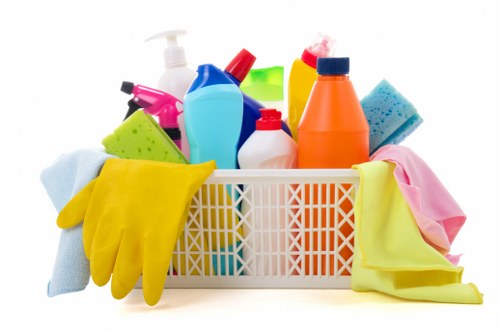
There are many ways to approach oven cleaning, and the best method depends on the level of buildup and your comfort with cleaning products. Some people prefer natural methods, while others rely on commercial oven cleaners for heavy-duty jobs. The most important thing is to choose a method that is safe for your appliance and suitable for your household.
One popular DIY method uses a paste made from baking soda and water. Applied to greasy areas and left for several hours, it helps loosen grime without harsh fumes. Afterward, wipe it away with a damp cloth and finish with vinegar or plain water to remove residue. This gentler style of oven cleaning is ideal for light to moderate buildup.
For tougher stains, a store-bought cleaner may be more effective. These products are designed to break down baked-on grease quickly, but they should be used carefully. Always read the label, wear gloves, and ensure proper ventilation. When used correctly, commercial oven cleaning products can save time and deliver strong results.
Step-by-Step Basic Cleaning Process
- Turn off the oven and let it cool completely.
- Remove racks, trays, and any loose debris.
- Apply your chosen cleaning solution to the interior.
- Allow time for the product to soften grease and stains.
- Scrub gently with a non-abrasive sponge or cloth.
- Wipe away residue with a clean damp cloth.
- Dry the interior thoroughly before using the oven again.
Cleaning Oven Racks, Doors, and Accessories
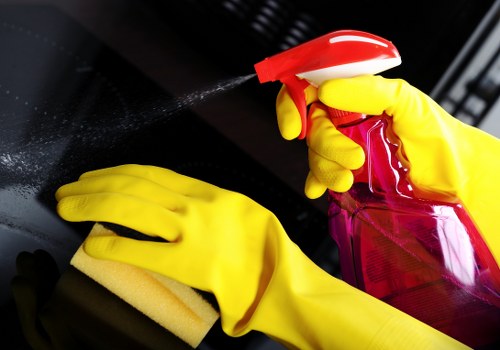
Effective oven cleaning should not stop at the main cavity. Racks, trays, and the oven door all collect grime and can affect the overall condition of the appliance. Removing these parts and cleaning them separately makes the process more thorough and often much easier.
Oven racks are usually best soaked in hot soapy water before being scrubbed. For stubborn residue, baking soda paste or a specialized degreaser can help lift burnt-on spots. Avoid using harsh metal tools that may scratch the surface. Regular rack care is an important part of complete oven cleaning.
The oven door deserves special attention too. Glass doors can become cloudy from smoke and grease, making it harder to see inside. A gentle cleaner and soft cloth usually work well. Be sure to clean the edges and corners where residue often hides. If your oven has removable glass panels, follow the manufacturer’s instructions carefully when taking them apart and reassembling them.
Helpful tips for accessories:
- Soak racks in warm water before scrubbing
- Use non-scratch sponges on glass doors
- Dry all components fully before reinstalling
- Check knobs and seals for residue buildup
- Clean drip trays and liners regularly
Natural Oven Cleaning Options
Many homeowners prefer natural oven cleaning solutions because they are simple, affordable, and less harsh than many chemical products. Baking soda, vinegar, lemon juice, and hot water are some of the most common ingredients used for eco-friendly maintenance. These options are especially appealing for households that want to reduce strong odors and avoid unnecessary exposure to chemicals.
A baking soda paste is one of the most widely used methods for oven cleaning. Mixed to a spreadable texture, it can be applied to greasy areas and left overnight. The paste softens buildup so that it can be wiped away more easily the next day. Some people add vinegar afterward to help break down any remaining film and leave the surfaces cleaner.
Lemon juice can also provide a fresh scent while assisting with light grease removal. When heated slightly with water in an oven-safe dish, it can help loosen residue and make wiping easier. Although natural methods may require more patience, they can be very effective for routine oven cleaning and maintenance between deep cleans.
Advantages of natural cleaning methods
- Lower cost compared to many specialty products
- Reduced chemical exposure
- Minimal harsh fumes
- Suitable for routine upkeep
- Easy to prepare with common household items
When to Consider Professional Oven Cleaning
Sometimes, DIY oven cleaning is not enough. If the oven has years of baked-on grease, heavy carbon buildup, or unpleasant smoke even after cleaning, a professional service may be the better choice. Professionals use specialized products, tools, and techniques to restore the appliance more effectively and often in less time than a homeowner could manage alone.
Professional oven cleaning is also useful when the appliance is large, heavily used, or difficult to access. People with busy schedules may prefer to outsource the task rather than spend hours scrubbing. If you are preparing to host guests, move house, or complete end-of-lease maintenance, expert oven cleaning services can be a practical solution.
There are other situations where calling in help makes sense. If your oven has self-cleaning problems, damaged seals, or difficult-to-remove residue around the fan and heating elements, a trained cleaner may be safer than tackling the issue yourself. For many households, the right choice is to combine regular upkeep with periodic professional oven cleaning for best results.
Professional help may be worth it if:
- The oven has thick, stubborn buildup
- Smoke continues after cleaning
- You want to avoid harsh chemicals
- The appliance is old or delicate
- You need a fast turnaround
Common Mistakes to Avoid During Oven Cleaning
Even a simple oven cleaning task can go wrong if the wrong approach is used. One common mistake is cleaning while the oven is still warm. Heat can make products evaporate too quickly and increase the risk of burns. Always wait until the appliance is completely cool before starting.
Another mistake is using abrasive pads, knives, or metal scrapers on delicate surfaces. These tools can scratch enamel, damage glass, and reduce the life of the appliance. Instead, use soft cloths, non-scratch sponges, and cleaning products designed for ovens. Gentle but steady methods are usually best for safe oven cleaning.
It is also important not to mix cleaning chemicals. Combining products can create harmful fumes or reduce effectiveness. Always follow instructions carefully, ventilate the room, and wear protective gloves if needed. Good safety habits help ensure that oven cleaning remains effective and worry-free.
What not to do:
- Do not use sharp blades on enamel surfaces
- Do not spray cleaner near heating elements unless the label permits it
- Do not leave chemical residue inside the oven
- Do not ignore the manufacturer’s cleaning instructions
- Do not use excessive water around electrical components
Tips to Keep Your Oven Cleaner for Longer
The easiest way to reduce cleaning time is to prevent heavy buildup in the first place. Using baking trays to catch drips, covering dishes when appropriate, and wiping spills quickly can all help. These small steps make a major difference and keep oven cleaning sessions shorter and less stressful.
Another useful habit is to place a reusable liner or drip tray in the bottom of the oven if your manufacturer allows it. This can catch crumbs and splatter before they harden. Be sure to confirm that liners are safe for your specific appliance model, as some ovens require the floor to remain uncovered for proper airflow.
Regular visual checks are also valuable. A quick inspection after cooking can reveal spots that need immediate attention. Wiping them right away prevents stains from baking on. With consistent attention, oven cleaning becomes far easier and the appliance stays in better shape for longer.
Simple maintenance habits
- Wipe spills once the oven cools
- Clean racks and trays regularly
- Use covered dishes when possible
- Remove crumbs before reheating
- Schedule deep cleaning at intervals
Why Clean Ovens Improve Cooking Results
A clean oven is not just easier to look at; it often cooks better too. Heat can circulate more evenly when grease and debris are not interfering with the interior surfaces. This matters whether you are baking bread, roasting vegetables, or preparing a family dinner. Reliable temperature distribution is one of the biggest benefits of consistent oven cleaning.
Food also tends to taste better when it is not exposed to smoke from old residue. Burnt drips and carbon buildup can add unpleasant flavors or odors, especially in dishes that require longer cooking times. By keeping the appliance clean, you create a more neutral cooking environment. That is a major reason many households prioritize regular oven cleaning.
Finally, a well-maintained oven can support better energy efficiency. While cleaning alone will not transform performance overnight, removing buildup helps the appliance function as intended. Over time, that can contribute to smoother operation and fewer frustrations in the kitchen. For anyone who cooks often, oven cleaning is a simple habit with meaningful rewards.
Choosing the Right Oven Cleaning Approach
The best approach depends on your schedule, the level of grime, and your comfort with cleaning products. If the oven only needs light maintenance, a natural solution may be sufficient. If buildup is heavy, a stronger product or professional service may be more effective. The goal is to choose an approach that balances safety, convenience, and results. That is the heart of successful oven cleaning.
It can help to think about how much time you can realistically spend on the task. Some methods require soaking time, repeat wiping, or several rounds of scrubbing. Others are faster but may involve stronger fumes. For busy households, a combination of quick wipe-downs and occasional deep oven cleaning is often the most practical strategy.
Whatever method you choose, consistency matters more than perfection. A little maintenance done regularly is far easier than tackling a neglected oven all at once. If you keep up with spills, monitor buildup, and act before grime becomes extreme, your oven cleaning routine will stay manageable.
Final thoughts on maintaining a cleaner oven
Regular oven care improves hygiene, appearance, performance, and convenience. It helps prevent smoke, supports even heating, and keeps your kitchen smelling fresh. Whether you do it yourself or book professional assistance, oven cleaning is a worthwhile part of home care that pays off in everyday cooking.
If your appliance is due for attention, do not wait until the grime becomes overwhelming. Take action now, choose the method that suits your household best, and enjoy a cleaner cooking space. For stubborn buildup or time-saving support, book your service now and restore your oven to a fresher, more efficient condition. Contact us today to take the next step toward better kitchen maintenance.