Sofa Cleaning in Empty Spaces: A Practical, SEO-Friendly Approach to a Fresher Home
Keeping your living room clean starts with the furniture you use every day, and sofa cleaning in any home matters more than most people realize. Sofas collect dust, crumbs, pet hair, body oils, odors, and invisible allergens that settle deep into the fabric over time. Whether your couch is leather, microfiber, velvet, linen, or a synthetic blend, regular sofa cleaning helps preserve its appearance, extend its lifespan, and keep your indoor environment healthier.
If you have ever sat down on a sofa that looked clean but still felt dull, sticky, or musty, you already know how much hidden buildup can affect comfort. The good news is that proper sofa cleaning in a home environment does not always require harsh chemicals or expensive equipment. With the right approach, you can refresh upholstery, tackle stains, and maintain a cleaner, more inviting space.
This article explores the best methods, common mistakes, fabric-specific care tips, and professional options for sofa cleaning in a way that is practical and easy to follow. Whether you are a homeowner, renter, pet owner, or someone preparing for guests, these tips will help you make better decisions about upholstery care.
Why Sofa Cleaning Matters for Every Home
A sofa is one of the most-used pieces of furniture in any home, which means it absorbs more dirt than many people expect. Daily use leads to the accumulation of dust, sweat, skin cells, food particles, and airborne pollutants. Over time, this buildup can make the upholstery look tired and may even affect air quality indoors.
Regular sofa cleaning is not just about appearance. It also supports a healthier living area by removing allergens and reducing the chance of odors becoming trapped in the fibers. For households with children or pets, sofa maintenance becomes even more important because spills and accidents happen often.
Another benefit of consistent sofa cleaning in living spaces is fabric preservation. Dirt and grit can act like sandpaper, slowly wearing down the upholstery. When you clean your sofa properly, you help it last longer and keep it looking newer for years.
Common Problems Caused by Neglected Upholstery
- Stubborn stains that become harder to remove over time
- Lingering odors from food, pets, and moisture
- Dust and allergens trapped in the padding
- Fading or dull-looking fabric
- Premature wear, fraying, or thinning in high-use areas
Understanding Different Sofa Materials
Before you begin any sofa cleaning in routine, it is important to identify the upholstery material. Different fabrics respond differently to water, steam, detergents, and brushing. Using the wrong method can cause discoloration, shrinking, or texture damage.
Most sofas come with a care label that includes cleaning codes. These codes tell you what type of cleaning the fabric can handle. If you ignore them, you may make a small cleaning task much worse. A careful approach is always the smartest choice.
Knowing the material also helps you decide whether to clean the sofa yourself or schedule professional upholstery cleaning. For delicate textiles, a trained technician may use specialized products and techniques that protect the finish.
Common Upholstery Cleaning Codes
- W – Water-based cleaners are safe
- S – Use solvent-based cleaners only
- WS – Water or solvent cleaners are acceptable
- X – Vacuum only; no liquid cleaning products
Popular Sofa Materials and Care Notes
Cotton and linen can be beautiful but may absorb liquids quickly. Microfiber is more forgiving and often responds well to gentle cleaning solutions. Leather needs conditioning and careful moisture control, while velvet often requires delicate treatment to maintain its texture.
How Often Should You Clean a Sofa?
The frequency of sofa cleaning depends on lifestyle, household size, and whether you have pets or children. A lightly used sofa in a formal sitting area may need less attention than the main family couch used daily for meals, movies, and naps.
As a general rule, vacuuming should happen weekly, spot cleaning should be done as soon as spills occur, and deep upholstery cleaning should be scheduled every 6 to 12 months. In busy homes, especially those with pets or allergy concerns, a more frequent sofa cleaning in routine can make a noticeable difference.
Odors, visible staining, and dust buildup are signs that your sofa needs attention sooner. If the cushions look flat and the fabric feels grimy even after vacuuming, it may be time for a deeper treatment. Keeping a regular schedule helps prevent the need for aggressive stain removal later.
Simple Cleaning Schedule
- Weekly: Vacuum surfaces, crevices, and under cushions
- Monthly: Spot clean minor marks and rotate cushions
- Every 6–12 months: Perform deep sofa cleaning or hire professionals
Step-by-Step Sofa Cleaning at Home
Home-based sofa cleaning in most households begins with preparation. Always check the care label, remove loose items, and test any product on a hidden area before applying it to the visible upholstery. This simple precaution can save you from permanent fabric damage.
Start by vacuuming the sofa thoroughly. Use a brush attachment to lift dust and debris from the surface, seams, and corners. Pay attention to areas where crumbs and pet hair gather, such as under seat cushions and along the armrests.
Once vacuuming is complete, move on to spot treatment. Blot stains gently instead of rubbing, since friction can spread the mess and push it deeper into the fibers. For many fabrics, a mild upholstery cleaner or a small amount of diluted soap solution is enough for basic sofa cleaning.
Basic Home Cleaning Steps
- Check the upholstery code and manufacturer instructions
- Vacuum the entire sofa carefully
- Pre-treat stains with a suitable cleaner
- Blot with a clean microfiber cloth
- Allow the sofa to air dry fully
Helpful Tip
Never soak the fabric. Excess moisture can seep into the cushions, create musty odors, and slow drying. A targeted approach is safer and more effective for long-term upholstery care.
Best Products and Tools for Sofa Cleaning
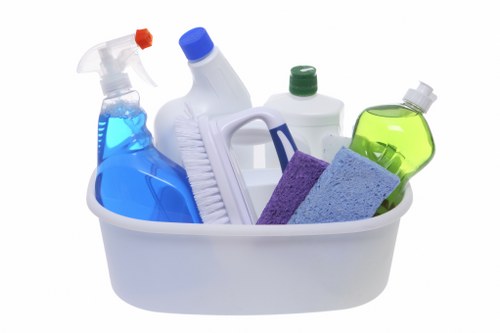
Choosing the right products can make sofa cleaning in your home much easier. A soft-bristle brush, microfiber cloths, a vacuum cleaner with upholstery attachments, and a fabric-safe cleaning solution are usually enough for routine maintenance. For tougher jobs, a steam cleaner or extraction machine may be useful, depending on the fabric type.
Some homeowners prefer natural cleaning methods, especially for light maintenance. A mixture of mild soap and water, baking soda for odor control, and white vinegar for certain spot treatments are common household options. However, every fabric is different, so always test first and avoid overusing any liquid.
Professional-grade upholstery cleaners can be effective when used properly, but stronger is not always better. In fact, using overly harsh chemicals can leave residue behind, attract more dirt, or damage sensitive fibers. The safest rule is to match the product to the material and the type of stain.
Useful Tools for Upholstery Care
- Vacuum with upholstery and crevice attachments
- Soft brush for lifting surface dirt
- Microfiber cloths for blotting and drying
- Spray bottle for controlled application
- Portable extractor or steam cleaner for deep cleaning
Smart Product Choice
Always read labels carefully. The best sofa cleaning products are the ones that clean effectively without risking damage, residue, or color loss.
How to Remove Common Sofa Stains
Spills are unavoidable, but quick action can prevent permanent damage. In sofa cleaning, timing is often the biggest factor in stain removal success. The sooner you address a stain, the easier it is to lift it before it settles into the fabric.
For food and drink spills, blot first, then clean with a fabric-appropriate solution. For greasy marks, use an absorbent powder or a cleaner designed to break down oils. For pet accidents, focus on both stain removal and odor neutralization so the smell does not linger.
Ink, makeup, and dye stains are usually more difficult and may need special treatment. If you are unsure about the stain type, avoid scrubbing aggressively. Instead, use a careful, incremental approach and consider professional upholstery cleaning if the mark is large or delicate.
Stain-Specific Advice
- Coffee or tea: Blot immediately and treat with a mild upholstery solution
- Grease: Apply absorbent powder before cleaning
- Pet stains: Use an enzymatic cleaner when suitable
- Ink: Test a solvent-safe product on a hidden area first
- Chocolate: Scrape excess carefully before wiping
When stains are old or heavily set, repeated gentle treatment is usually better than one aggressive attempt. Patience is a valuable part of effective sofa cleaning in any household.
Deep Sofa Cleaning: When and Why It’s Needed
Routine vacuuming and spot cleaning are important, but they do not replace deep upholstery cleaning. Over time, dirt works its way beneath the surface, and ordinary maintenance may no longer be enough to refresh the furniture fully. This is where deep sofa cleaning becomes valuable.
Deep cleaning helps remove embedded grime, trapped odors, and buildup that regular surface cleaning cannot reach. It can also revive the look and feel of upholstery, making colors appear brighter and textures softer. If your sofa has visible shadows, dull patches, or stubborn smells, a deep clean may be the right next step.
Depending on the material, deep cleaning might involve hot water extraction, low-moisture cleaning, dry cleaning methods, or specialized leather treatment. Each method has its place, and the best choice depends on the fabric, the level of soiling, and the manufacturer’s recommendations.
Signs Your Sofa Needs a Deep Clean
- Persistent odors even after surface cleaning
- Visible grime in traffic areas
- Allergy symptoms triggered near the sofa
- Stains that keep reappearing after drying
- Fabric that feels sticky, rough, or dingy
Professional Sofa Cleaning vs DIY Cleaning
Both professional and DIY sofa cleaning in homes have advantages. The right choice depends on your time, budget, fabric type, and the severity of the cleaning issue. Many people handle routine care themselves and call professionals for deeper restoration or delicate materials.
DIY cleaning is cost-effective and convenient for routine upkeep. It works well for light dust, small spills, and regular maintenance when you follow care instructions closely. On the other hand, professional cleaning may be better for old stains, large upholstered sectionals, specialty fabrics, or situations where odor and contamination are difficult to manage.
Professional teams often have stronger equipment, specialized detergents, and experience with different upholstery types. That expertise can reduce the risk of damage and often produces a more thorough result. If you want long-lasting freshness and fabric-safe treatment, professional service may be worth considering.
DIY Benefits
- Lower cost
- Convenient for quick cleanup
- Good for maintenance between deep cleans
Professional Benefits
- Better for deep-set dirt and odors
- Helpful for delicate or expensive fabrics
- May extend the life of the furniture
If your sofa has become a major source of odors or staining, book your service now and let experts handle the heavy lifting.
Sofa Cleaning Tips for Homes with Pets and Children
Households with kids and pets need a more proactive approach to upholstery care. Snacks, juice spills, muddy paws, drool, and fur can quickly turn a clean sofa into a high-maintenance piece of furniture. A consistent sofa cleaning routine helps keep the home more hygienic and presentable.
Pet hair is one of the most common issues. A lint roller can help, but vacuuming with the right attachment is usually more effective. For odor control, use cleaning products that neutralize smells rather than simply masking them. This is especially important in enclosed living rooms and apartments.
For homes with children, it helps to establish simple rules about eating on the sofa, if possible. Even with rules in place, accidents happen, so keep a small cleaning kit nearby. Quick response time can make a huge difference in successful sofa cleaning in busy households.
Family-Friendly Sofa Care Habits
- Vacuum regularly to remove crumbs and pet hair
- Use washable throws or covers for high-use areas
- Blot spills immediately with clean cloths
- Rotate and fluff cushions to reduce uneven wear
- Schedule periodic deep cleaning for freshness
How to Maintain a Clean Sofa Longer
Good maintenance is the key to making each sofa cleaning session last longer. If you build the right habits, your sofa will stay fresher, smell better, and retain its appearance between major cleanings. This is especially useful for busy households that cannot deep clean frequently.
One of the best habits is vacuuming on a regular schedule. Another is rotating cushions so wear is distributed more evenly. You should also keep drinks with lids nearby and avoid placing sharp or oily objects directly on the upholstery. Small habits often prevent big messes.
Adding a fabric protector may also help, depending on the sofa material. Protectors can make spills easier to clean, though they are not a substitute for maintenance. When used correctly, they support a smarter sofa cleaning in strategy and make day-to-day care easier.
Practical Maintenance Checklist
- Vacuum weekly
- Blot spills immediately
- Rotate cushions monthly
- Keep the sofa out of direct sunlight when possible
- Schedule deep cleaning regularly
Why Sofa Cleaning Improves Your Living Space
A freshly cleaned sofa can change the entire feeling of a room. Clean upholstery makes a living area look brighter, more orderly, and more welcoming. Because the sofa is usually a focal point, it has a strong visual impact on the entire space. That is why sofa cleaning in homes is both a practical and aesthetic investment.
Fresh upholstery can also make other cleaning efforts more noticeable. When your sofa looks and smells clean, the room feels easier to maintain overall. This can motivate better housekeeping habits and create a more relaxing environment for everyone in the home.
For people who enjoy hosting guests, maintaining a clean sofa also supports a more polished first impression. Even when the rest of the home is modest, a well-kept couch suggests care, comfort, and attention to detail. It is a small improvement that delivers real everyday value.
Long-Term Value of Regular Upholstery Care
- Improves visual appeal
- Supports a healthier indoor environment
- Helps furniture last longer
- Reduces odors and visible wear
- Enhances comfort and usability
Final Thought
Contact us today if you want expert support, or start improving your upholstery care routine at home right away. With the right methods, sofa cleaning becomes simple, effective, and rewarding.