Communal Area Cleaning: Creating Safer, Healthier Shared Spaces
Communal area cleaning plays a vital role in keeping shared spaces presentable, hygienic, and welcoming for everyone who uses them. Whether in apartment buildings, office complexes, student accommodation, or mixed-use developments, these areas are often the first impression people receive. Clean hallways, spotless lobbies, polished lifts, and fresh-smelling stairwells can make a noticeable difference to comfort, safety, and overall property value.
In many properties, communal area cleaning is more than a cosmetic service. It supports hygiene, reduces wear and tear, limits pest activity, and helps maintain a sense of pride among residents, tenants, and visitors. When shared spaces are cleaned consistently and professionally, people naturally treat them with more care. That is why communal area cleaning is an essential part of property management, not an optional extra.
From dusting skirting boards to disinfecting door handles, every detail matters. A well-planned cleaning routine can transform a shared environment into a space that feels orderly, safe, and comfortable day after day.
What Communal Area Cleaning Includes
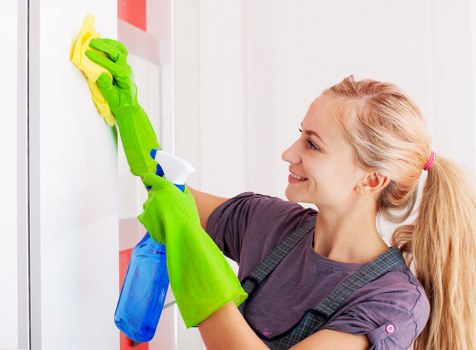
Communal area cleaning covers all shared parts of a building that are regularly used by multiple people. These areas can differ depending on the property, but they usually include entrances, hallways, staircases, lifts, mail areas, corridors, bin stores, and sometimes shared laundry rooms or reception areas. In larger properties, communal area cleaning may also include external pathways, smoking areas, and communal kitchens or lounges.
The aim is to keep these spaces clean, hygienic, and safe. That means removing dirt, dust, litter, fingerprints, spills, and other signs of daily use. It also means paying close attention to high-touch surfaces that can quickly spread germs, such as bannisters, buttons, switches, and door handles.
Proper communal area cleaning is usually performed on a scheduled basis, with the frequency depending on foot traffic and building type. Some areas need daily attention, while others may only require weekly or fortnightly cleaning. A tailored approach ensures the cleaning plan matches the needs of the building instead of using a one-size-fits-all method.
Why Communal Area Cleaning Matters
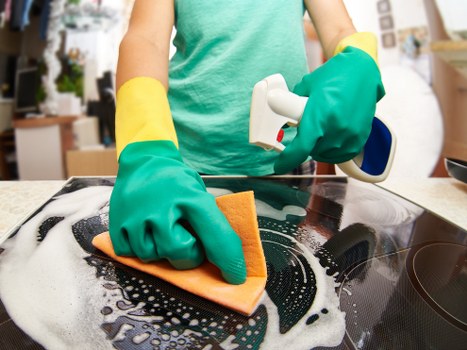
The benefits of communal area cleaning go far beyond appearances. Clean shared spaces help people feel more comfortable and reduce the likelihood of complaints from residents, tenants, and visitors. In residential buildings, this can improve satisfaction and support a more positive living environment. In commercial properties, it can contribute to staff wellbeing and a more professional image.
There are also important hygiene considerations. Shared spaces are touched by many people throughout the day, which means germs can spread quickly if cleaning is neglected. Regular communal area cleaning reduces this risk by keeping surfaces sanitised and reducing the build-up of bacteria, dust, and allergens.
Another major benefit is safety. Spills, debris, poor lighting, and clutter in communal areas can lead to accidents. A consistent cleaning routine helps identify hazards early and keeps floors, stairs, and entrances in safer condition. This is especially important in busy buildings where residents and visitors are moving in and out throughout the day.
Key reasons property owners invest in it
- Improves the appearance of shared spaces
- Supports hygiene and infection control
- Helps reduce slip and trip hazards
- Protects surfaces from long-term damage
- Boosts resident and tenant satisfaction
- Enhances the perceived value of the property
Common Areas That Need Regular Attention
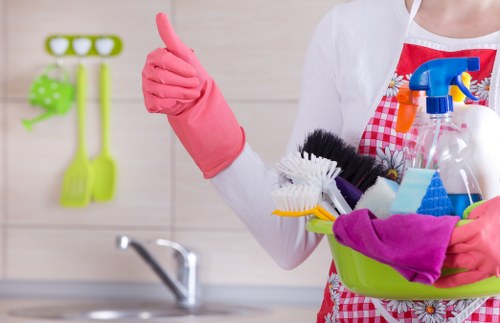
Not every shared area has the same cleaning needs, but certain spaces almost always require regular care. Communal area cleaning should be planned around both visible dirt and hidden hygiene risks. The most commonly cleaned spaces include entrance lobbies, corridors, staircases, lifts, handrails, and front doors. These are high-traffic areas where dust, fingerprints, scuffs, and litter build up quickly.
Bin storage areas and refuse rooms also need special attention because they can become sources of odours, pests, and hygiene problems if neglected. Shared laundry rooms, mail areas, and reception spaces are other key locations where cleanliness directly affects user experience. In some properties, communal area cleaning also extends to external spaces such as car parks, pathways, and bin enclosures.
When these spaces are maintained properly, the whole building feels more organised and cared for. Even a small amount of routine cleaning can make a major difference in how a shared property is perceived.
Typical communal spaces cleaned in residential and commercial buildings
- Entrances and lobby areas
- Stairwells and landings
- Lifts and lift doors
- Corridors and hallways
- Mail and parcel areas
- Bin rooms and refuse zones
- Shared kitchens, lounges, or break rooms
- Exterior thresholds and pathways
What a Professional Cleaning Routine Looks Like
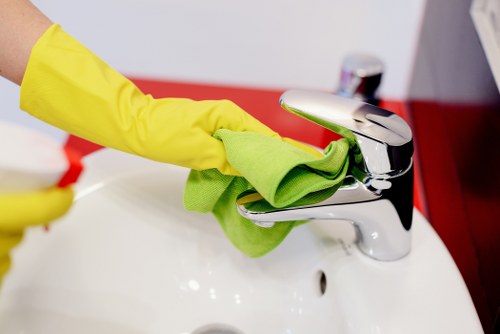
A professional communal area cleaning routine is structured, consistent, and based on the specific needs of the property. It often begins with dust removal and litter collection before moving to surface cleaning, floor care, sanitising, and finishing touches. The best routines also account for seasonal changes, weather conditions, and peak usage times. For example, a building may need extra entrance cleaning during wet months because mud and moisture are tracked inside more often.
Typical tasks may include sweeping, vacuuming, mopping, wiping surfaces, cleaning glass, polishing metal fixtures, and disinfecting touchpoints. Depending on the building, cleaners may also report maintenance issues such as broken lights, damaged flooring, or leaks. This makes communal area cleaning a useful support service as well as a cleaning task.
Consistency is the real secret. A well-executed schedule prevents mess from becoming overwhelming and helps maintain a standard that residents and occupants can rely on. Small, regular actions are usually more effective than occasional deep cleans alone.
Core tasks often included
- Dusting ledges, skirting boards, and fixtures
- Cleaning and disinfecting handles, switches, and railings
- Vacuuming carpets and runners
- Mopping hard floors with appropriate solutions
- Cleaning internal glass and mirrors
- Removing cobwebs and debris from corners
- Emptying bins and replacing liners
- Reporting hazards or maintenance issues
How Communal Area Cleaning Supports Health and Hygiene
Shared spaces can easily become hotspots for germs if they are not cleaned properly. High-touch areas such as lift buttons, door handles, intercoms, handrails, and lobby counters are touched repeatedly throughout the day. If these surfaces are not cleaned regularly, bacteria and viruses can spread more easily between users.
Communal area cleaning helps reduce that risk by removing dirt and applying suitable cleaning or disinfecting methods where required. This is especially valuable in places with vulnerable residents, such as housing for older adults or buildings with shared access used by families and commuters. Cleanliness contributes directly to a healthier environment and can support broader wellbeing efforts.
Dust control is another important part of hygiene. Excess dust can aggravate allergies, affect indoor air quality, and make a property feel neglected. Regular vacuuming and dusting in communal spaces help limit these issues and create a more pleasant atmosphere for everyone who passes through.
Health-focused benefits of regular cleaning
When cleaning is carried out properly, shared spaces become easier to use and less likely to contribute to preventable problems. That includes fewer unpleasant odours, fewer visible contaminants, and a lower chance of grime building up on surfaces that many people touch every day.
Communal Area Cleaning in Residential Properties
In residential buildings, communal area cleaning is closely tied to tenant satisfaction. Residents want to live in a building that feels cared for, and shared spaces often shape that impression. A clean entrance, tidy staircase, and fresh-smelling corridor can make a block of flats feel much more comfortable and secure.
Residential communal area cleaning also helps protect the building itself. Dirt and moisture can damage flooring, stain walls, and wear down fixtures over time. Regular cleaning helps preserve carpets, tiles, paintwork, and metal fittings, reducing the need for expensive repairs or premature replacement.
There is also a social element. When communal spaces are kept in good condition, residents are more likely to respect them. This can reduce littering, vandalism, and careless behaviour. In other words, clean shared spaces often encourage better shared habits.
Common residential challenges
- Heavy foot traffic during morning and evening periods
- Rain, mud, and debris brought in from outside
- Litter left in corridors or stairwells
- Fingerprints and marks on walls and glass
- Odours from bin rooms or refuse areas
Communal Area Cleaning in Commercial and Mixed-Use Buildings
Commercial buildings often have different cleaning priorities, but the importance of communal area cleaning remains the same. Offices, business centres, and mixed-use properties rely on shared areas to create a professional first impression. Clean reception spaces, polished floors, and tidy break areas signal attention to detail and organisation.
In mixed-use buildings, cleaning can be more complex because residential and commercial users may have different expectations and schedules. A well-planned service must account for business hours, resident access, deliveries, and privacy. In these settings, the cleaning plan should be flexible enough to avoid disruption while still maintaining high standards.
Shared commercial spaces also tend to have more visitors, meaning cleaning frequency often needs to be higher. Communal area cleaning in these environments helps support employee wellbeing, client confidence, and general building presentation.
Features often prioritised in business settings
Reception areas, lift lobbies, washroom corridors, meeting room approaches, and staff break spaces are often among the most visible shared zones. When these areas are clean, the whole workplace benefits from a more polished and reliable appearance.
Choosing the Right Cleaning Frequency
The best frequency for communal area cleaning depends on usage, building size, and the type of occupants. A busy city apartment block may need daily cleaning, while a smaller building might only require service a few times a week. The goal is to match cleaning activity to real-world demand rather than applying a fixed routine everywhere.
Several factors influence how often cleaning should happen, including weather, resident numbers, pet traffic, accessibility needs, and the presence of commercial units. Seasonal changes can also affect the schedule. For instance, winter often brings more dirt, salt, and moisture into entrances and corridors, while summer may increase odours and bin-related concerns.
Regular reviews help ensure the schedule remains effective. If residents or property managers notice that certain areas are getting dirty between visits, the frequency may need to be adjusted. Flexible scheduling is a practical way to keep standards high without wasting time or resources.
Factors to consider
- Number of daily users
- Type of flooring and surfaces
- Weather exposure at entrances
- Presence of children, pets, or vulnerable occupants
- Size and layout of the property
- Waste collection and refuse storage needs
Equipment and Cleaning Products Used
Effective communal area cleaning depends on using the right tools for the job. Professional cleaners often use vacuums designed for carpets and hard floors, microfiber cloths for dusting, mops for wet cleaning, glass equipment for windows and doors, and disinfectants for touchpoints. The exact products should always match the surface type to avoid damage and achieve the best finish.
For example, wood, stone, vinyl, carpet, and stainless steel each require different approaches. Using the wrong solution can cause streaking, dullness, or long-term wear. That is why trained staff understand how to clean efficiently while protecting the building’s materials.
Eco-conscious products are increasingly popular in communal area cleaning because they can reduce harsh chemical exposure while still delivering strong results. Many property managers now prefer cleaning plans that balance hygiene, safety, and sustainability.
Useful equipment often includes
- Microfiber cloths and dusters
- Commercial vacuum cleaners
- Wet mops and flat mopping systems
- Glass cleaning tools
- Bucket and wringer systems
- Disinfectant sprays or wipes
- Floor-safe detergents and degreasers
Benefits of Hiring Professionals for Communal Area Cleaning
While some buildings attempt to manage shared spaces internally, professional communal area cleaning usually delivers more consistent results. Trained cleaners bring experience, proper equipment, and an understanding of how to clean efficiently without disrupting residents or workers. They also know how to maintain standards across different zones, from high-traffic entrances to less visible corners.
Professional services often provide better accountability as well. A formal cleaning schedule, checklist, and quality review process make it easier to ensure nothing is overlooked. This can be especially valuable in larger developments or buildings with multiple stakeholders, where expectations need to be met consistently.
Hiring professionals can also save time for property managers and building staff. Instead of handling routine cleaning tasks themselves, they can focus on maintenance, communication, and tenant support. Over time, this can improve the overall management of the property.
Main advantages
- Reliable cleaning standards
- Better attention to detail
- Reduced burden on building staff
- Access to specialist equipment
- Improved hygiene and presentation
- More efficient handling of recurring issues
How to Maintain Standards Between Visits
Even with scheduled communal area cleaning, it helps to maintain some standards between professional visits. Small preventative steps can keep shared spaces cleaner for longer and reduce the workload for the next service. Simple habits such as reporting spills quickly, using mats at entrances, and keeping bins closed can make a visible difference.
Building managers can also support better upkeep by placing clear notices about waste disposal, smoking, deliveries, or respectful use of shared areas. Good communication encourages residents and users to take more responsibility for the environment they share. This partnership between cleaning teams and occupants creates the best results.
Clean buildings are rarely the result of one effort alone. They are usually the outcome of regular cleaning, thoughtful management, and everyday cooperation.
Practical upkeep tips
- Use entrance mats to trap dirt and moisture
- Encourage prompt spill reporting
- Keep refuse areas organised and accessible
- Check lighting so dirt and hazards are easier to spot
- Limit clutter in corridors and communal storage areas
Creating a Better Experience for Everyone
Communal area cleaning affects daily life in ways people often notice only when it is missing. A neglected hallway, dusty staircase, or dirty lift can create frustration and reduce confidence in the building. By contrast, clean and well-maintained shared spaces help people feel more comfortable, respected, and secure.
That is why communal area cleaning should be treated as a priority for any property with shared access. It supports hygiene, safety, appearance, and long-term maintenance all at once. It also contributes to a more positive atmosphere, whether the building is residential, commercial, or mixed-use.
If you want your shared spaces to make the right impression, keep them safe, and remain pleasant to use every day, book your service now or contact us today to arrange a cleaning plan that suits your building’s needs. A consistent approach to communal area cleaning can make a lasting difference to how your property looks and feels.
In the end, clean communal spaces are about more than tidiness. They are about care, respect, and creating an environment people are glad to enter each day.